Parshas Shemini for Kids: The Eighth Day, the Fire & the Kosher Signs
Parshas Shemini is the parsha of the eighth day, when the Mishkan finally opened and fire came down from Shamayim, and the parsha where Yidden learn which animals, fish and birds are kosher. Here is how to tell it to children, what it teaches, and how to talk about it at the Shabbos table.
Published by Torah Tale.
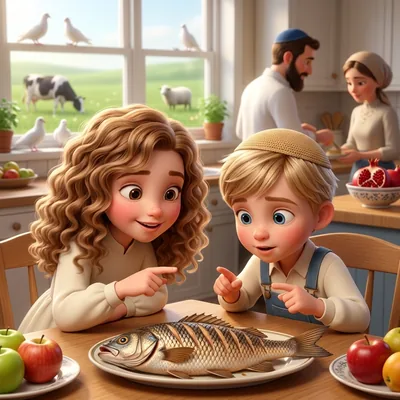
Parshas Shemini is the parsha of the eighth day. After seven days of practice and preparation, the Mishkan finally opened for real, Aharon HaKohen brought the first korbanos, and fire came down from Hashem in front of the whole nation. It is also the parsha where Yidden are taught which animals, fish and birds are kosher. For children, those two halves fit together better than they look: the first half is about doing exactly what Hashem asked, and the second half hands them a way to do it every single day, at the kitchen table.
What happens in Parshas Shemini?
The parsha opens on Rosh Chodesh Nissan, the eighth day. For seven days Moshe Rabbeinu had set up the Mishkan and served in it, training Aharon and his sons. Now the day arrived when Aharon would serve as Kohen Gadol for the first time, and all of Klal Yisrael gathered to watch.
Chazal tell us that Aharon hesitated. He still carried the shame of the eigel, and he felt unworthy to approach the mizbeiach. Moshe told him to come close, because this was precisely why he had been chosen. Aharon stepped up and brought the korbanos.
Then Aharon lifted his hands and blessed the people, the first Birkas Kohanim. Moshe and Aharon went into the Ohel Moed, and when they came out, fire came down from Hashem and consumed the korbanos on the mizbeiach. The whole nation saw it, cried out in praise, and fell on their faces. The Shechinah had come to rest among the Yidden.
In the middle of that joy, Nadav and Avihu, two of Aharon's sons, brought a ketores of their own with a fire that Hashem had not commanded. A fire came out from before Hashem, and they passed away. Moshe said to Aharon that Hashem is sanctified through those closest to Him. The Torah then gives us two of the most powerful words in Chumash: vayidom Aharon, and Aharon was silent.
After that, Hashem spoke directly to Aharon, telling the Kohanim not to serve after drinking wine, and to be able to distinguish between kodesh and chol, between tamei and tahor. And then the parsha turns to food: the signs of kosher animals, fish, birds and creeping creatures, closing with v'hiskadishtem vih'yisem kedoshim, make yourselves holy and be holy.
How do I explain Nadav and Avihu without frightening a child?
Keep it short, keep it calm, and land on the lesson rather than the loss. Something like this works for most ages: "Nadav and Avihu loved Hashem so much that they wanted to bring Him something extra. But Hashem had not asked for it. In the Mishkan, on that day, everything had to be exactly the way Hashem said. They were taken from the world, and their father Aharon stayed quiet and accepted what Hashem did."
A four-year-old does not need more than that, and usually will not ask for more. An older child often will, and the honest answer is that the mefarshim give several reasons and that the Torah itself tells us what Aharon did in response: he was silent. Silence here is not numbness. It is the emunah of a person who trusts Hashem even when he does not understand.
The practical takeaway for a child is real and usable. When a mitzvah has a way it is supposed to be done, doing it our own way is not more love, it is less. That is a thought that lands at bedtime, at netilas yadayim, and at the bracha a child rushes through.
What are the kosher signs in Parshas Shemini?
This is the section children remember, because it is concrete and they can quiz each other on it.
- Land animals need two signs together: chewing the cud and fully split hooves. A cow, a sheep, a goat and a deer have both.
- The Torah names four creatures with only one sign, and they are not kosher. Three of them chew the cud without split hooves, and the pig has split hooves without chewing the cud.
- Fish need fins and scales. Salmon yes, shark no.
- Birds are different: the Torah lists the non-kosher birds, and we rely on our mesorah for which birds are eaten.
- Creeping creatures are not eaten, which is why we check vegetables for insects.
The Midrash relates that the pig stretches out its split hooves as if to say "look, I am kosher," while hiding that it lacks the second sign. It is a picture children never forget, and it gives a name to something they already recognize: a person who shows the outside and hides the inside. If your child learned the korbanos in Parshas Vayikra and the fire on the mizbeiach in Parshas Tzav, Shemini is where that fire finally comes down.
How to explain Parshas Shemini at different ages
Ages 2 to 4. "The Mishkan opened. Aharon blessed everyone. Fire came down from Hashem and everybody said thank you to Hashem. And Hashem told us which foods Yidden eat, so that we stay special." Point at a cow in a picture book and say it has two signs.
Ages 5 to 7. Add the two signs by name and turn it into a game. Add Aharon's hesitation and Moshe telling him to come close, which is a good thing for a shy child to hear. Mention Nadav and Avihu briefly, in the language above.
Ages 8 to 12. Now the ideas can carry weight. Talk about vayidom Aharon and what it means to accept something you do not understand. Talk about why the pig became the symbol it did. Ask why a parsha about the holiest day in the Mishkan ends with rules about lunch, and let them work out that kedusha is not only in the Mishkan, it is in the kitchen.
What is the personalized Parshas Shemini book like?
Torah Tale prints Parshas Shemini as a personalized storybook in which your own child is the hero. You upload one photo, and the child is illustrated in high-resolution 3D Pixar style on every page, standing in the courtyard of the Mishkan on the eighth day, watching Aharon lift his hands to bless the people, and later learning the kosher signs. Up to four siblings can appear in the same book together.

Books come in English, Hebrew or Yiddish, and you can order more than one language. Every book closes with a dedicated discussion page of 10 questions, mixing what happened in the story with what it asks of the child. That page is the difference between a book you read to a child and a story your family actually talks about on Shabbos afternoon.
Note that the book creator suggests next week's parsha, with a live countdown to the order deadline for delivery before that Shabbos, so Shemini is the book to order the week before you need it. A double-parsha week produces one book covering both. If you are planning further ahead, this guide to choosing the parsha walks through it.
Which format suits which age?
The board book, 6"x6" with rounded safety corners, is built for ages 2 to 4 and survives being carried around. The 8"x8" softcover photo book fits ages 4 to 8. The 8"x8" hardcover, in square or landscape, suits ages 5 to 12 and holds up to a parsha shelf that gets used every week.
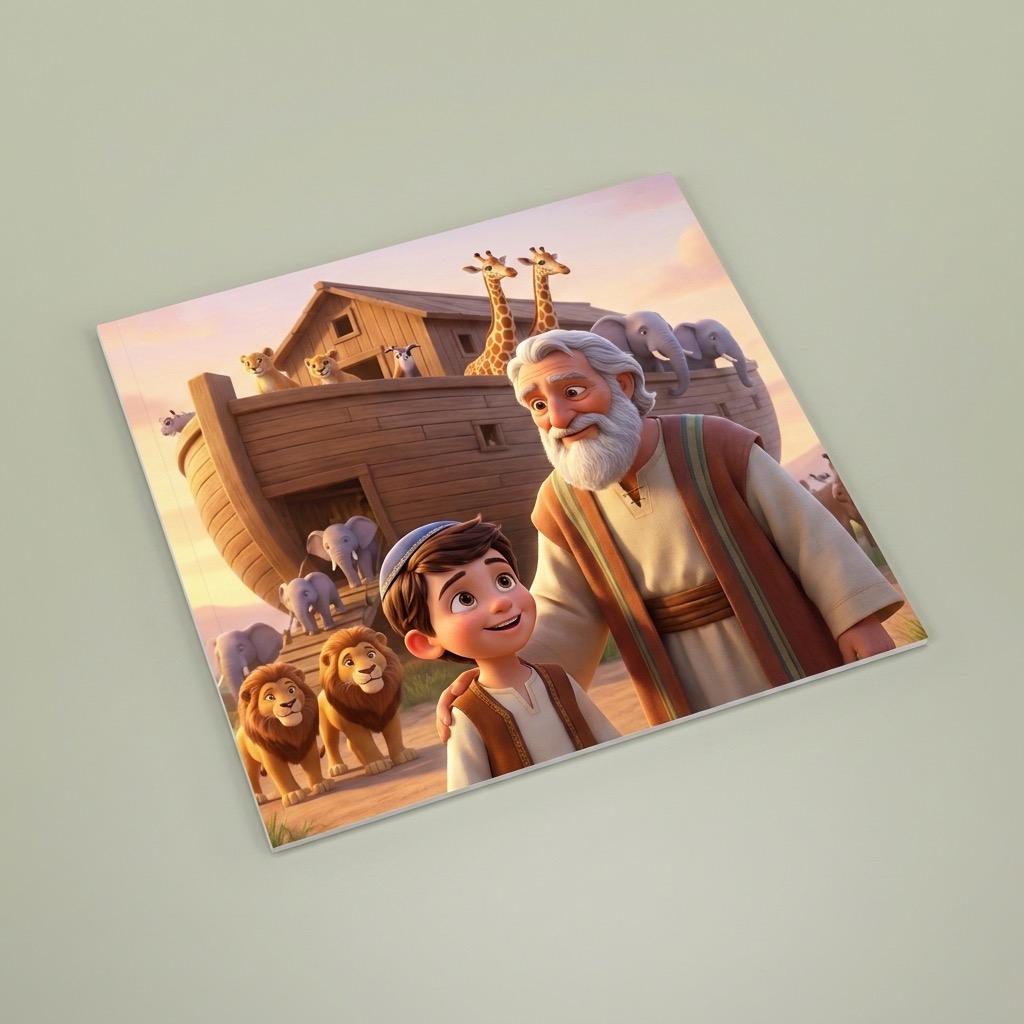
Softcover 8″×8″
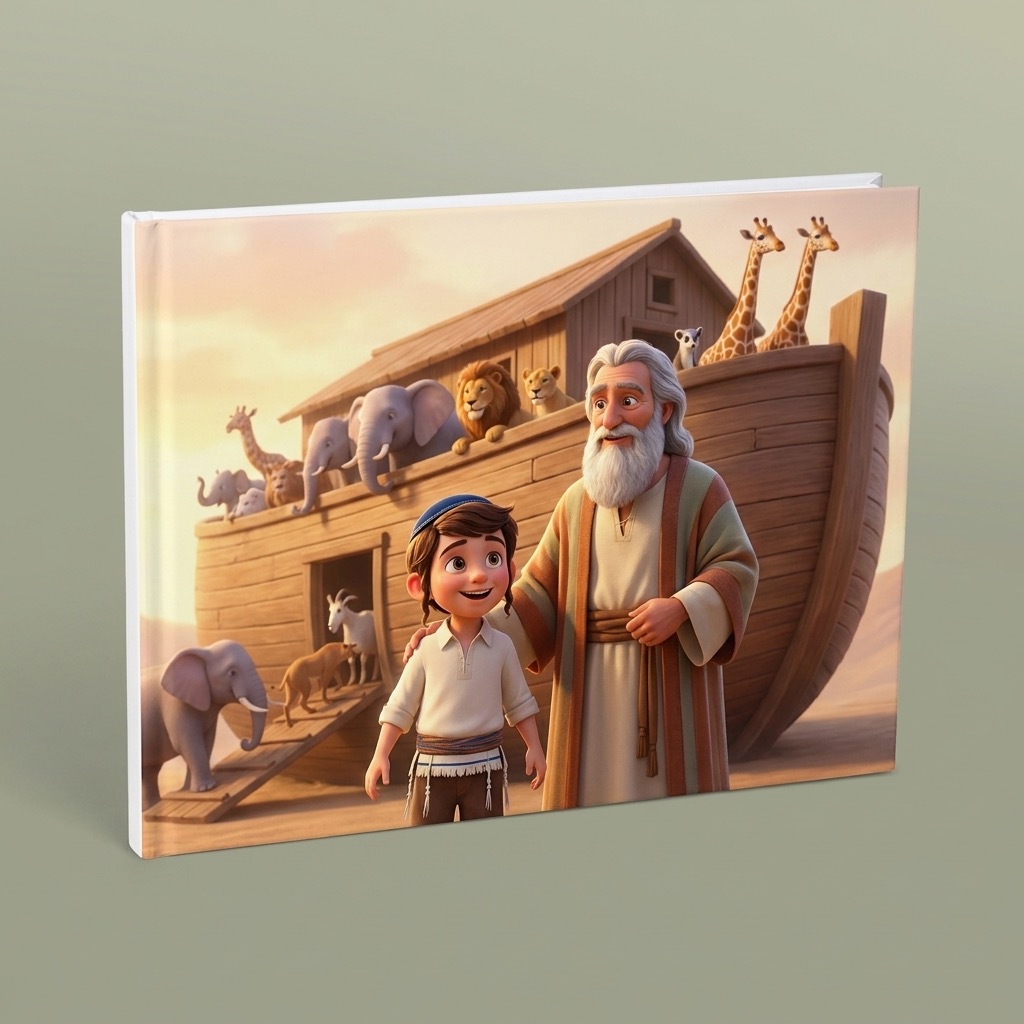
Hardcover 8″×8″
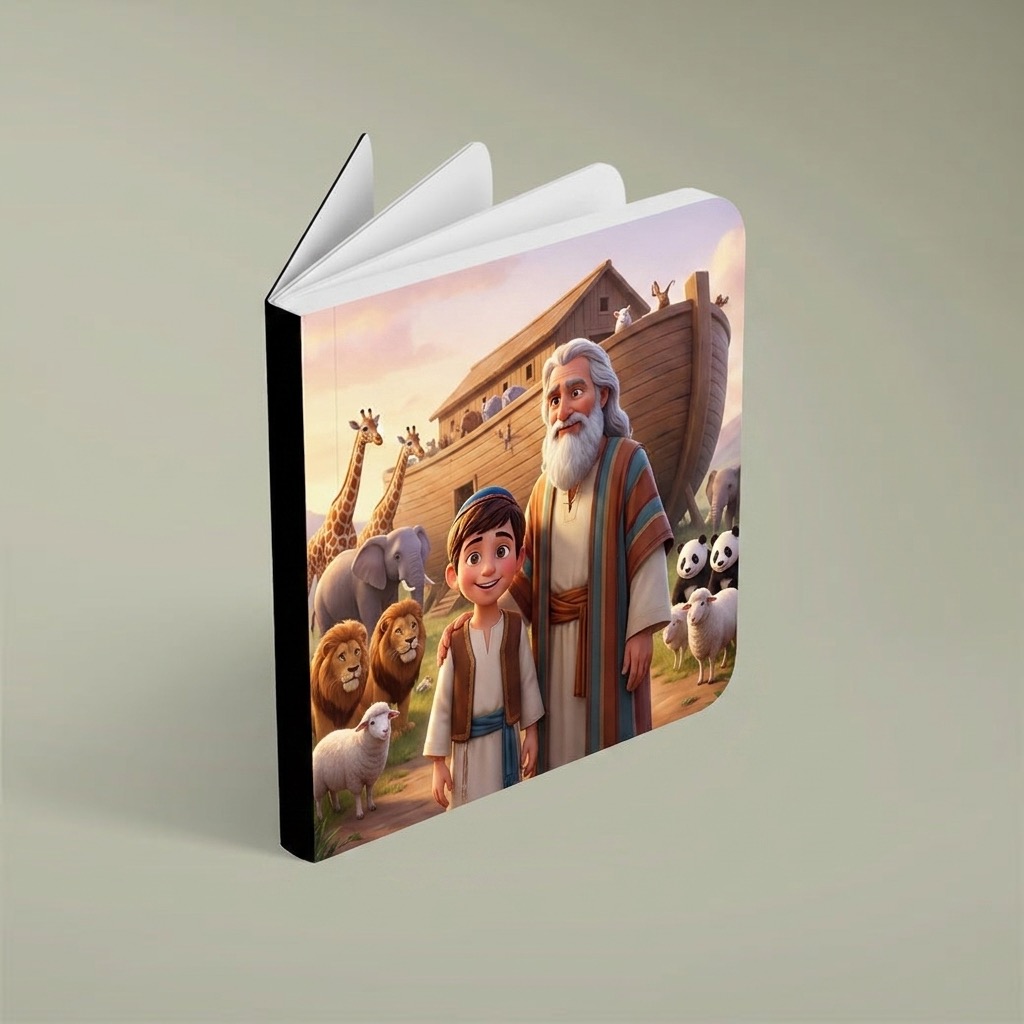
Board book 6″×6″
Coloring book 8.5″×11″
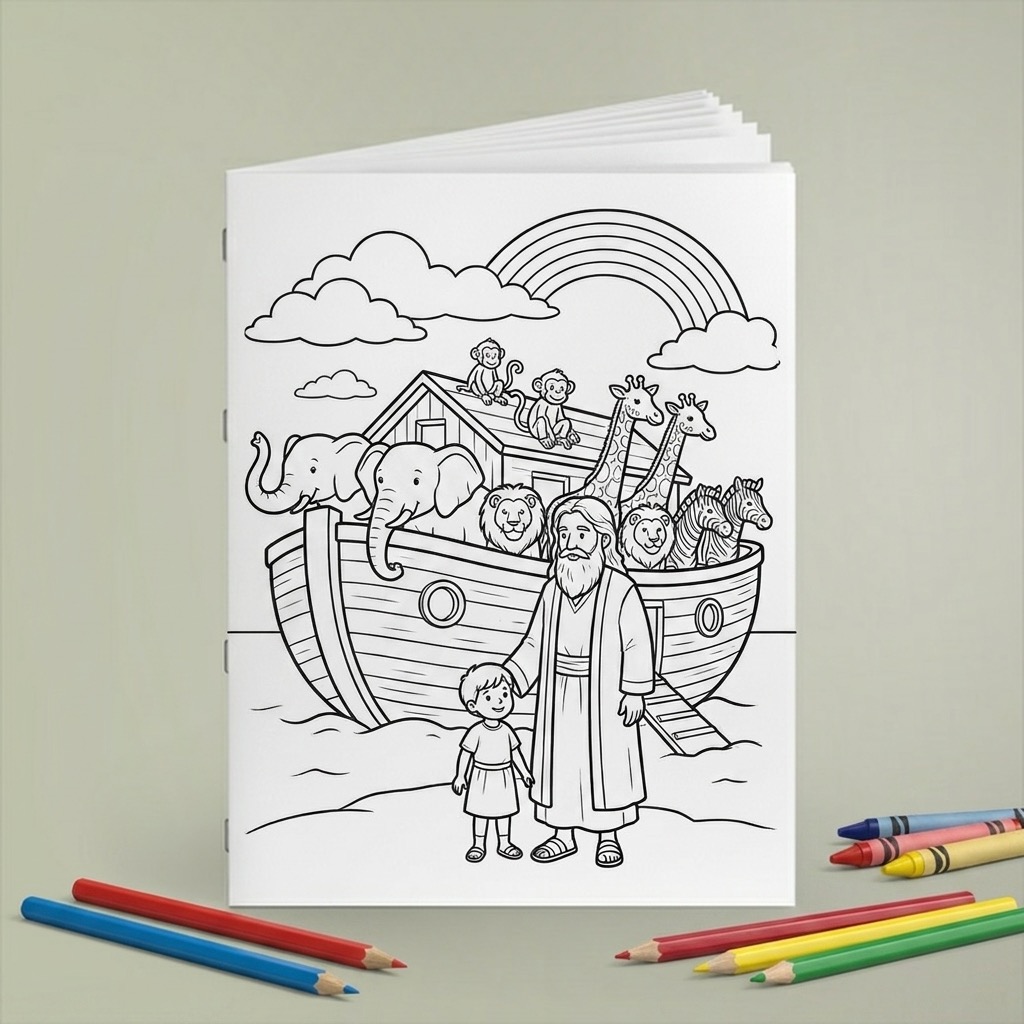
There is also an optional matching coloring book, 8.5"x11" in black-and-white line art. Keep it for weekdays: coloring is melacha, so it belongs to an erev Shabbos afternoon or a quiet weekday, never to Shabbos or Yom Tov. The storybook itself is exactly right for the Shabbos table.
Shabbos table questions and a weekday kosher-signs activity
Five questions that work with a wide age range:
- Why do you think Aharon was nervous to go up to the mizbeiach, and what did Moshe say to him?
- Nadav and Avihu wanted to bring something extra to Hashem. Why was that not the right thing to do?
- What does it mean that Aharon was silent? Is being quiet sometimes the strongest thing a person can do?
- Name a kosher animal and tell me both of its signs.
- The pig has one sign and shows it off. Can you think of a time someone acts better on the outside than on the inside?
A weekday activity. Take ten index cards and write one animal or fish on each: cow, camel, pig, sheep, salmon, shark, deer, goat, rabbit, tuna. Sort them into two piles, kosher and not kosher, and make your child say which sign is missing. Then go to the pantry and hunt for hechsherim on five packages. A five-year-old who can find the symbol on a cereal box has turned this parsha into something he does, not only something he heard.
Parshas Shemini gives children a rare pairing: the most public moment of Hashem's presence in the Mishkan, and the most private, everyday mitzvah of checking what goes on the plate. To put your child inside that story by name and by face, you can create the book in about five minutes at torahtale.com/create.
Frequently asked questions
What is Parshas Shemini about?
Parshas Shemini has two halves. The first tells about the eighth day of the Mishkan's dedication, when Aharon HaKohen brought the first korbanos, blessed the people, fire came down from Hashem, and his two sons Nadav and Avihu brought an offering Hashem had not asked for and passed away. The second half teaches the signs of kosher animals, fish, birds and insects, and ends with Hashem telling the Yidden to be holy.
How do I explain Nadav and Avihu to a young child?
Say it simply and briefly: Nadav and Avihu loved Hashem very much and wanted to bring Him something extra, but Hashem had not asked for it, and they were taken from the world. Aharon was quiet and accepted what Hashem did, even though it hurt. For a small child, stop there and move to the point: when Hashem tells us exactly how to do a mitzvah, the loving thing is to do it His way, not our own way.
What are the kosher signs taught in Parshas Shemini?
A land animal is kosher only if it has both signs: it chews its cud and its hooves are completely split. The Torah names four animals that have one sign but not the other, including the camel and the pig, and they are not kosher. A fish is kosher if it has fins and scales, and kosher birds are identified through the Torah's list of non-kosher birds together with our mesorah.
What is the lesson of Parshas Shemini for children?
The lesson is that serving Hashem means doing what He actually asked, and that kedusha is built through small, concrete choices. Nadav and Avihu's fire was well meant but not commanded. The kosher laws take the same idea into the kitchen: a child who checks a hechsher on a snack is practicing exactly what the parsha teaches.
What does vayidom Aharon mean?
Vayidom Aharon means "and Aharon was silent." After his two sons passed away, Aharon did not protest or complain. Chazal teach that his silence was an enormous act of emunah, and immediately afterward Hashem spoke to Aharon directly with a halacha for the Kohanim.
Which Torah Tale format is best for the Shemini book?
For ages 2 to 4, choose the 6"x6" board book with rounded safety corners. For ages 4 to 8, the 8"x8" softcover photo book works well, and for ages 5 to 12 the 8"x8" hardcover in square or landscape holds up to repeated reading. A matching black-and-white coloring book can be added, and it is a weekday activity, not for Shabbos or Yom Tov.