The Rosh Hashanah Story for Kids: Shofar, Teshuvah & the World's Birthday
Rosh Hashanah is the day Hashem is crowned King and the whole world is judged - and Chazal teach it is also the day Adam HaRishon was created. Here is the story retold for children, the lesson behind the shofar, age-by-age wording, and questions for your Yom Tov table.
Published by Torah Tale.
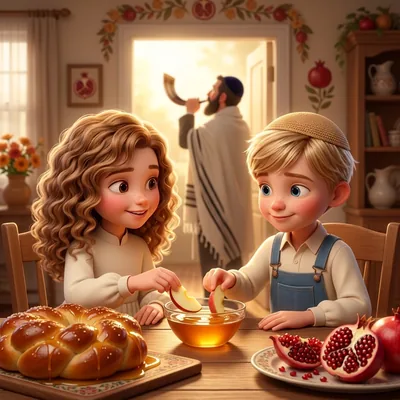
Rosh Hashanah is the two-day Yom Tov at the beginning of Tishrei when Hashem is crowned King of the world and every person is judged for the coming year. Chazal teach that it is the day Adam HaRishon was created - which is why the birthday of the world is also its day of judgment. Children take to this story quickly, because it arrives with a sound they wait for all year and a taste they can hold in their hand: the shofar, and an apple dipped in honey.
What is the story of Rosh Hashanah, told for children?
Begin at the beginning. Hashem created the world in six days, and on the sixth day He created Adam HaRishon. Chazal tell us that on that very day Adam was commanded, failed, was judged - and was forgiven. From then on, that date became the day the whole world stands before Hashem each year.
So Rosh Hashanah has two faces at once. It is a coronation: in Musaf we say the Malchiyos, pesukim about Hashem's kingship, because a king is only a king when his people accept him. And it is a courtroom: the Gemara describes books being opened on Rosh Hashanah, with what will be written for each person in the year ahead.
That is why the day looks the way it looks. We daven longer, out of a machzor instead of the regular siddur. We say HaMelech HaKadosh instead of HaKel HaKadosh. On the first day the Torah reading tells of the birth of Yitzchak to Avraham Avinu and Sarah, and on the second day we read the Akeidah. And at home we wear Yom Tov clothes, dip apple in honey, put honey on the round challah, and say the Yehi Ratzon over the simanim - because we come to judgment with confidence in a King who loves us.
Why do we blow the shofar on Rosh Hashanah?
The Torah calls the day Yom Teruah, a day of sounding. Hearing the shofar is the mitzvah of the day - not a custom, not decoration. In shul the baal tokea blows tekiah, shevarim and teruah, and the widespread custom is to hear a hundred sounds over the course of the davening.
Two explanations are worth giving a child, because both are short and both stick. The Rambam writes that the shofar is a wake-up call: Uru yesheinim - wake up, sleepers, and look at what you have been doing. And Chazal tell us that we blow specifically a ram's horn so that Hashem remembers the ram of the Akeidah, and the readiness of Avraham Avinu and Yitzchak to give everything for Him.
Point out to an older child what a shofar actually is. It is not a polished silver trumpet. It is a plain animal horn, and the sound that comes out of it is closer to a cry than to music. That is the point: on Rosh Hashanah we bring Hashem a cry with no words in it.
What is the lesson of Rosh Hashanah for children?
The middah at the center of Rosh Hashanah is accepting that what I do matters - and its twin, that a person can always start over.
Children live with mistakes all day long. They spill, they forget, they say the sharp thing to a sibling and regret it two minutes later. Rosh Hashanah tells them something they need to hear: a mistake is not the end of the story, and teshuvah is not a punishment but a door. Adam HaRishon was judged on the first Rosh Hashanah, and he was forgiven on the first Rosh Hashanah.
The second half of the lesson is that judgment is not the same as fear. We do not fast on Rosh Hashanah. We eat sweet food, we sing, we make it a Yom Tov, because we are standing in front of a King who wants us to be written for a good year. That balance - serious davening, sweet table - is something a child absorbs from the atmosphere in the house more than from anything we say.
How do I explain Rosh Hashanah to a 4-year-old versus an 8-year-old?
| Age | What to say | What to leave for later |
|---|---|---|
| 2-4 | "Today is the birthday of the whole world. Today we make Hashem our King. The shofar is the King's special sound." Then dip the apple in honey together. | Judgment, the books, teshuvah as a concept. |
| 5-7 | Hashem created the world, and on Rosh Hashanah He looks at everyone and decides about the new year. We blow the shofar to wake up our hearts and to say sorry for what we did wrong. | Long details of the Akeidah; anything frightening about the judgment. |
| 8-10 | Rosh Hashanah is Yom HaDin. Chazal tell us Adam HaRishon was created, judged and forgiven on this day. Teshuvah, tefillah and tzedakah are what a person brings to the judgment. | Fine points of hilchos shofar. |
| 11-12 | Kingship: Hashem is King only when we accept Him, which is what the Malchiyos in Musaf are about. Connect the ram's horn to the Akeidah, and Elul to preparing rather than panicking. | - |
If you want a single sentence that works at any age, use this one: "Rosh Hashanah is the world's birthday and the day we crown Hashem as our King - and the shofar both announces the King and wakes us up to try again."
What is a personalized Torah Tale Rosh Hashanah book like?
Torah Tale's Rosh Hashanah book is part of the Yamim Tovim collection, and the difference between it and any other Yom Tov book on your shelf is simple: your child is the one in it. Their name is in the text, and their likeness - illustrated in high-resolution 3D Pixar style from one photo you upload - appears on every page. Up to four siblings can be in the same book, which is why it tends to become the book that comes out every Elul rather than the one that gets read once. Every book ends with a discussion page of ten questions, mixing what happened with what it asks of us - which on Rosh Hashanah is most of the point.
Every book is written with careful rabbinical guidance and strict tznius, and reviewed by our team before it goes to print. You can order it in English, Hebrew or Yiddish - and more than one language, if there are grandparents who would rather hear it in Yiddish.
The book creator asks eight short questions and takes about five minutes: name, boy or girl, age, one photo, siblings, story, language, format. The creator suggests next week's parsha with a countdown to the order deadline, but you can pick Rosh Hashanah straight from the story list instead.
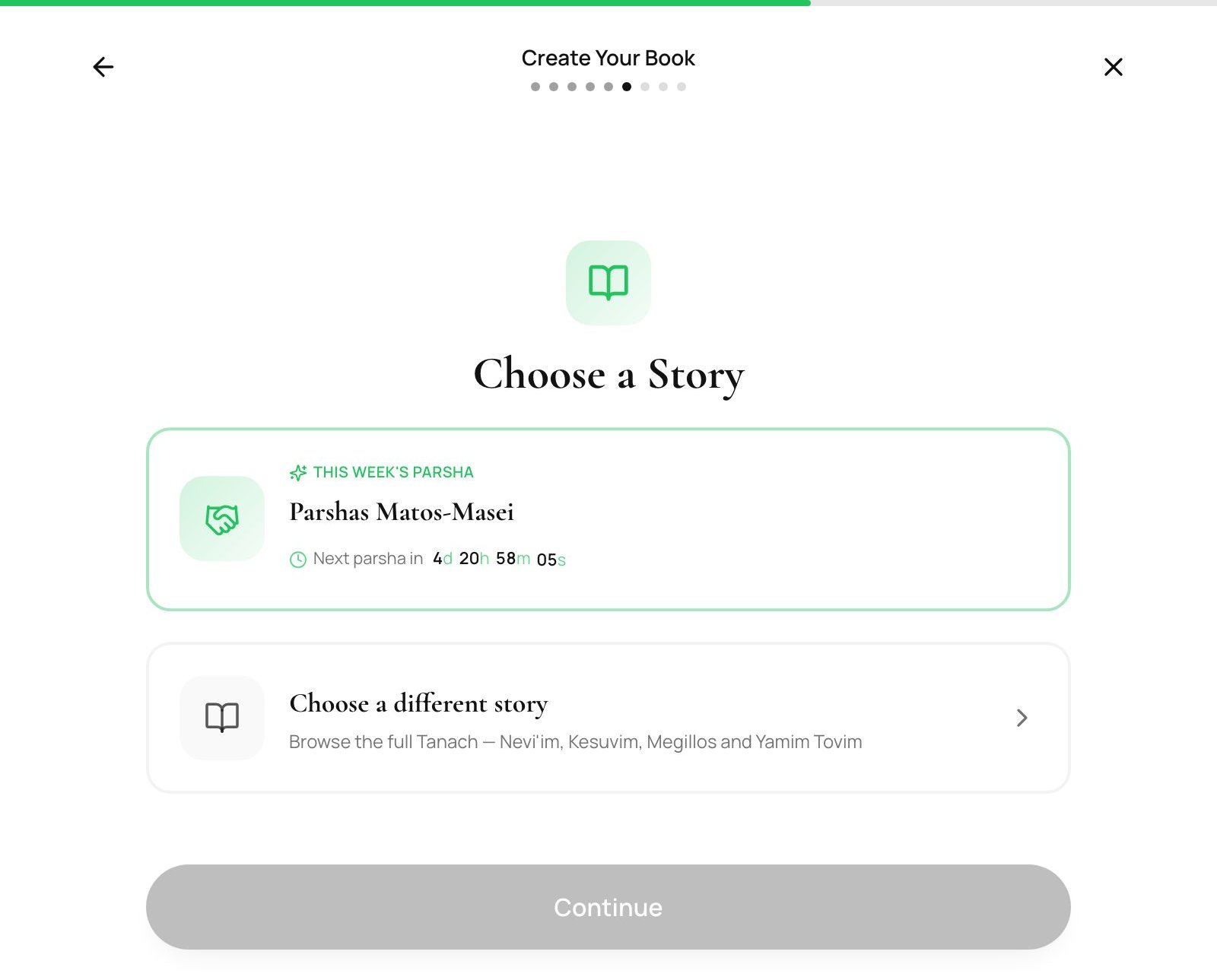
If it is your first time, the step-by-step walkthrough covers the whole flow, including what makes a good photo. Choosing between a Yom Tov story and the weekly parsha is covered in this guide.
Which format fits which child
- Board book 6"x6", rounded safety corners - ages 2-4, for the child who will bring it to the Yom Tov table.
- Softcover 8"x8" - ages 4-8.
- Hardcover 8"x8", square or landscape - ages 5-12, and the one that survives being reread every Elul.
- Matching coloring book 8.5"x11" in black-and-white line art - for the weekday afternoons of Elul, before Yom Tov begins.
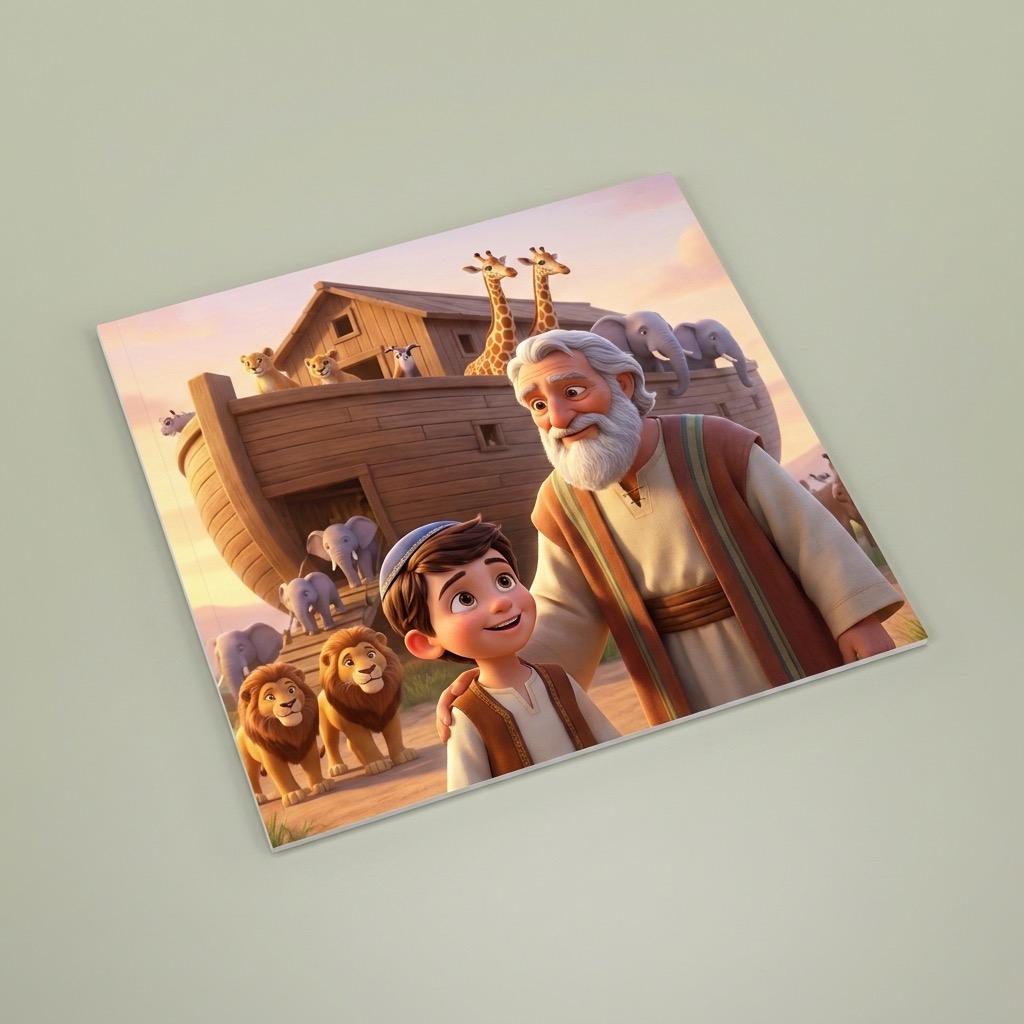
Softcover 8″×8″
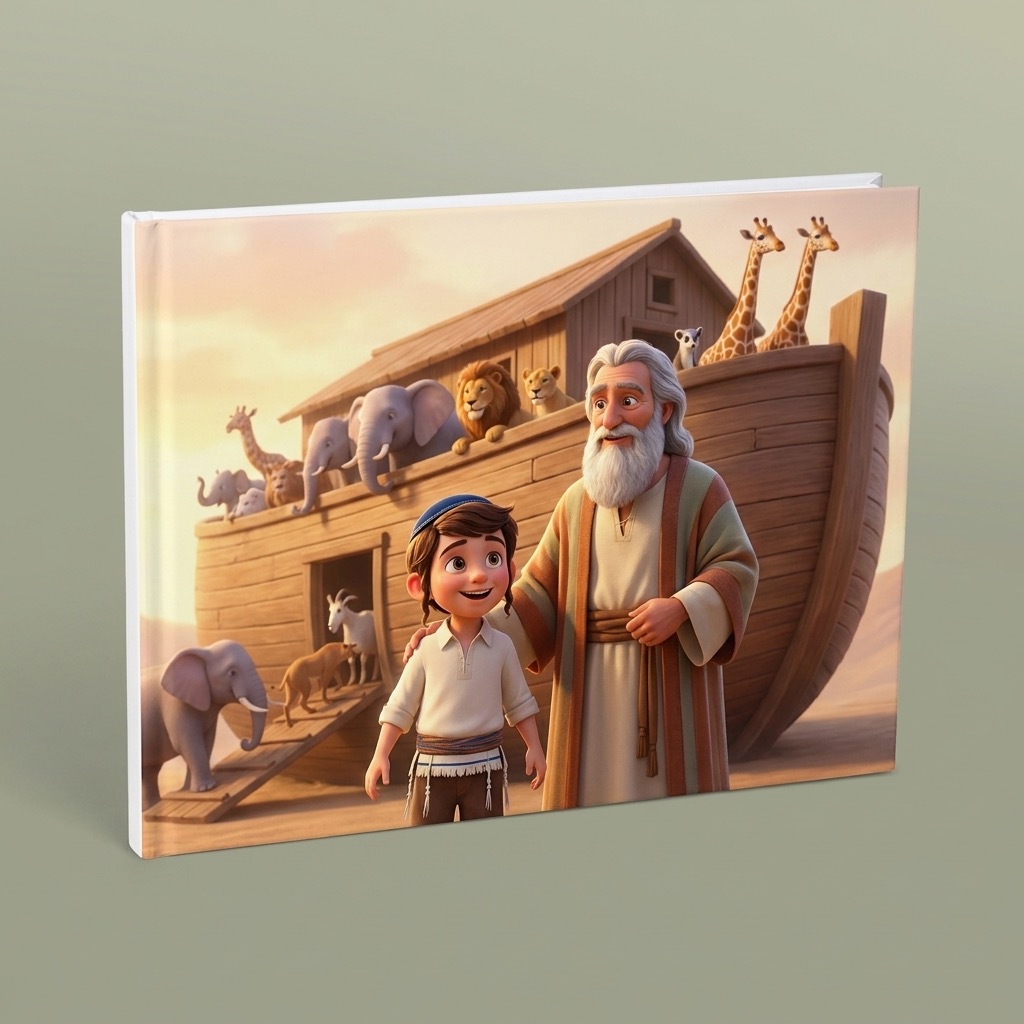
Hardcover 8″×8″
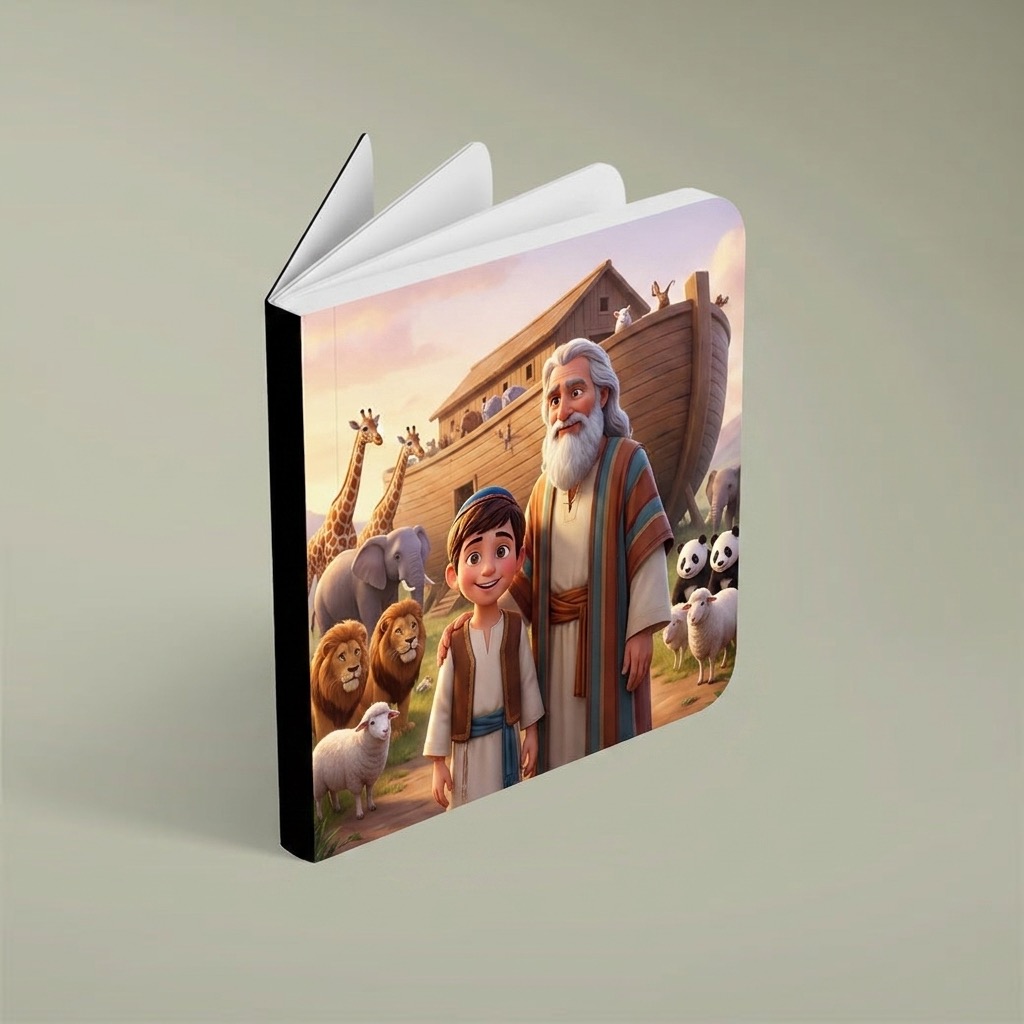
Board book 6″×6″
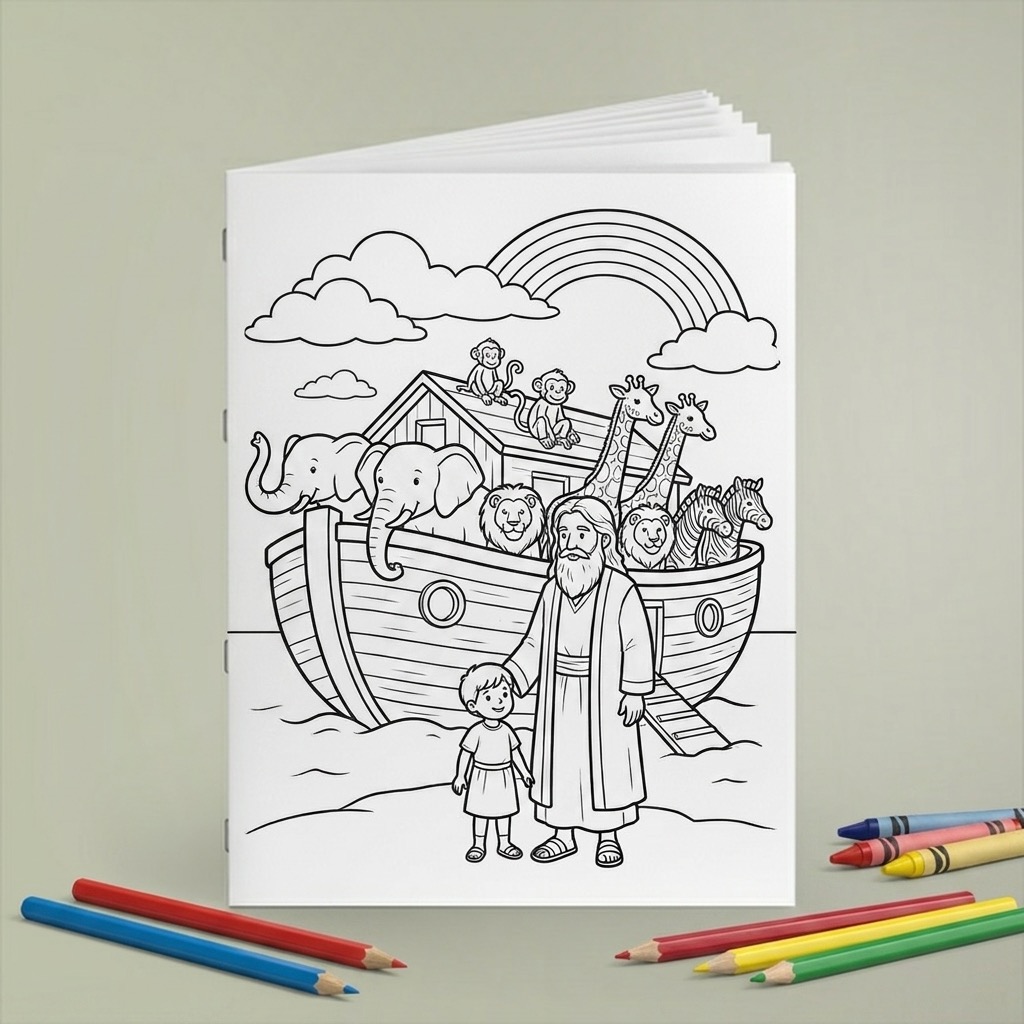
Coloring book 8.5″×11″
Five questions for your Rosh Hashanah table
Pick two, not five. These are meant to open a conversation, not to run a quiz.
- Why do we call today the birthday of the world if the world is not a person?
- A king needs people who want him to be king. How do we tell Hashem today that we want Him to be our King?
- Why do we use a plain ram's horn and not a beautiful silver trumpet?
- Adam HaRishon made a mistake and was forgiven on the very same day. What does that teach us about our own mistakes?
- If you could ask Hashem for one thing for this year - not a present, something you want to become - what would it be?
One thing you can do today, in Elul
Elul is already here, and the most useful preparation for a child is small and concrete. Try a "one thing" note: each child writes or dictates a single specific thing they want to do better this year - answering Mommy the first time, saying Modeh Ani before getting out of bed, giving tzedakah every morning - and puts it in the honey jar's box, or tapes it inside the cover of their Rosh Hashanah book. On Rosh Hashanah night, read them out loud before the simanim.
Two more that work with young children: bring them to shul during Elul to hear the shofar after davening, and let them make Shanah Tovah cards for grandparents and rebbeim. A child who has spent Elul preparing walks into Yom Tov as a participant instead of a spectator. If a personalized book is going to be part of that, order early - US standard shipping is $3.00 and takes 5-8 business days, and express is $6.00 in 3. A Rosh Hashanah book also makes a natural Yom Tov gift for a niece, nephew or grandchild.
Rosh Hashanah is the story every Jewish child is standing inside of, whether or not anyone tells it to them. Telling it well, in a book where they are the hero, is a good way to make sure they know it. Create the book - eight questions, about five minutes.
Frequently asked questions
What is the story of Rosh Hashanah for kids?
Rosh Hashanah is the anniversary of creation. Chazal teach that it is the day Adam HaRishon was created, judged and forgiven, and that day became the day of judgment for every year afterward. On Rosh Hashanah we crown Hashem as King of the world, hear the shofar, daven in shul, and eat sweet foods like apple dipped in honey to ask for a sweet new year.
How do I explain Rosh Hashanah to a 4-year-old?
Say it in three short pieces: today is the birthday of the whole world, today we make Hashem our King, and the shofar is the King's special sound. Then let the child do something with their hands - dip an apple in honey, hold a shofar, say "Shanah tovah" to a grandparent on the phone. At four, judgment does not need to be explained in detail; the King who loves us and the sweetness of the day are enough.
What is the lesson of Rosh Hashanah for children?
The lesson is that a person can start again. Rosh Hashanah teaches that Hashem is King, that everything we do matters, and that teshuvah, tefillah and tzedakah change what the coming year looks like. For a child that translates into something very practical: choosing one small thing to fix and actually beginning it before Yom Tov.
Why do we blow the shofar on Rosh Hashanah?
The Torah calls the day Yom Teruah, and hearing the shofar is the mitzvah of the day. The Rambam explains that the shofar is a wake-up call, telling a person to look at his deeds and return to Hashem. Chazal also teach that we blow a ram's horn so that Hashem remembers the ram of the Akeidah and the mesirus nefesh of Avraham Avinu and Yitzchak.
Is there a personalized Rosh Hashanah book where my child is in the story?
Yes. Torah Tale's Rosh Hashanah book is part of the Yamim Tovim collection, and your child appears as the hero on every page - their name in the text and their likeness illustrated in 3D Pixar style from one uploaded photo. Up to four siblings can appear in the same book, and it can be ordered in English, Hebrew or Yiddish.
Which format should I choose for a Rosh Hashanah book?
For ages 2-4 choose the 6"x6" board book with rounded safety corners, since it will be handled at the Yom Tov table. For ages 4-8 the 8"x8" softcover works well, and for ages 5-12 the 8"x8" hardcover in square or landscape holds up to years of rereading each Elul. Many families add the matching 8.5"x11" coloring book for the weekday afternoons of Elul, in the run-up to Yom Tov.